

Killdozer: The True Story of Marvin Heemeyer’s Armored Bulldozer Rampage in Granby, Colorado
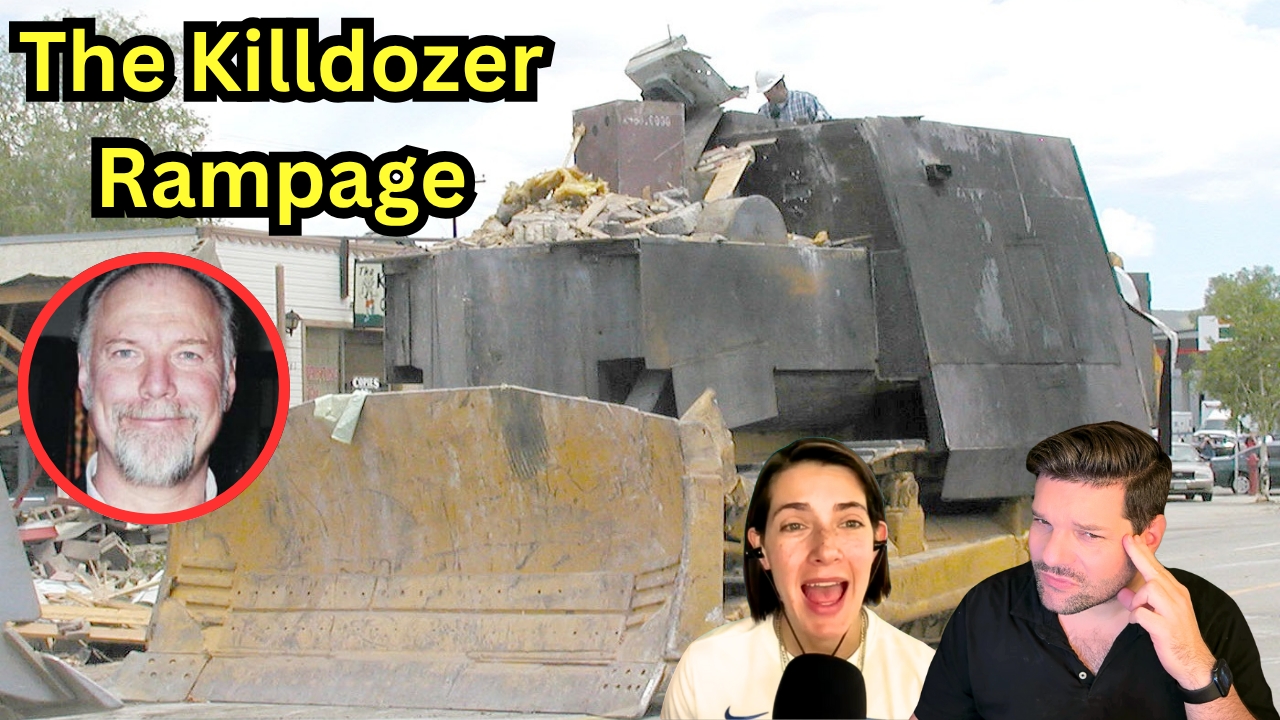
On June 4, 2004, a small mountain town in Colorado became the center of one of the most bizarre and destructive rampages in modern American history. A local muffler shop owner named Marvin Heemeyer sealed himself inside a heavily armored bulldozer and tore through the town of Granby, destroying buildings, businesses, and government offices during a 90-minute attack that would later become known as the “Killdozer” rampage.
More than two decades later, the story still sparks fierce debate online. Some view Heemeyer as a folk hero who fought back against local government corruption. Others see him as a deeply angry man whose personal grievances escalated into domestic terrorism. The truth is far more complicated.
Who Was Marvin Heemeyer?
Born in 1951, Marvin Heemeyer was described by many people who knew him as calm, friendly, and hardworking. Standing six feet tall and weighing around 230 pounds by the time he graduated high school, Heemeyer was proud of his service in the United States Air Force and eventually settled in Colorado after being stationed there.
During the 1990s, Heemeyer built a successful life in Colorado. He operated several muffler shops before opening Mountain View Muffler in Granby in 1992. He also became heavily involved in local politics and community issues, often voicing strong opinions about town decisions.
Friends and family later insisted that Heemeyer was not anti-government in the ideological sense. According to them, his anger was directed toward specific people and local officials rather than the government itself.
The Feud That Changed Everything
The conflict that would eventually lead to the Killdozer rampage began in 2000 when Granby officials discussed allowing a concrete company called Mountain Park Concrete to relocate next to Heemeyer’s business.
Heemeyer strongly opposed the project. He argued that the plant would create excessive dust, noise, and truck traffic while reducing the value of his property. The dispute also reignited a personal feud between Heemeyer and the concrete plant’s operator, Cody Docheff, after a failed land sale agreement between the two men.
Despite Heemeyer’s objections, the town board approved the concrete plant in 2001. Heemeyer filed lawsuits against the town, but the cases were dismissed. In the years that followed, tensions escalated further as Heemeyer was fined for code violations, including failing to install a septic tank. He reportedly mailed his payment with the word “Cowards” written on the check’s memo line.
Building the “Killdozer”
Around this same time, Heemeyer quietly purchased a massive 61.5-ton Komatsu D355A bulldozer. At first, he claimed the machine would be used for construction projects or driveway work. Instead, he spent more than a year secretly transforming it into a nearly unstoppable armored vehicle.
Inside a private metal building near his muffler shop, Heemeyer reinforced the bulldozer with steel plating and layers of concrete that measured roughly one foot thick. He installed video cameras protected by bulletproof plastic so he could navigate from inside the sealed cab. The cockpit also contained air conditioning, fans, weapons, ammunition, and gun ports built into the armor.
The vehicle was reportedly greased on the outside to prevent anyone from climbing aboard during the attack. By early 2004, the bulldozer had effectively become a homemade tank.
Before carrying out his plan, Heemeyer recorded audio tapes and left behind written notes explaining his mindset. One note read, “I was always willing to be reasonable until I had to be unreasonable. Sometimes reasonable men must do unreasonable things.”
The Killdozer Rampage in Granby
On June 4, 2004, Heemeyer climbed inside the armored bulldozer, sealed the hatch behind him, and smashed through the wall of the building where the machine had been hidden.
His first target was Mountain Park Concrete, the business owned by Cody Docheff. From there, Heemeyer drove through Granby’s streets, demolishing buildings connected to people he believed had wronged him.
